In short
Margo’s Clinic in Toronto offers acupuncture treatment for anxiety, using targeted points such as HT7, PC6, GV20, LV3, and Yintang that may help support calm, ease tension, and promote relaxation. Practitioner Margo Goncharenko personalizes each session using pulse, tongue, and Nakatani Electro-Meridian Imaging diagnostics to select points suited to a patient’s specific anxiety pattern. A free anxiety consultation is available by calling 416-556-1933.
When you come in for an anxiety acupuncture treatment, your practitioner carefully selects specific points on your body based on your unique anxiety pattern. But which points are most commonly used, and why?
In this guide, we’ll walk through the five acupuncture points that Margo most frequently uses for anxiety treatment at Margo’s Clinic in Toronto — and explain the science and Traditional Chinese Medicine (TCM) reasoning behind each one.
How Acupuncture Points Work for Anxiety
Before diving into specific points, it helps to understand the mechanism. Each acupuncture point sits along a meridian — a pathway through which Qi (vital energy) flows in TCM theory. From a Western medical perspective, these points correspond to areas with high concentrations of nerve endings, blood vessels, and connective tissue.
When a fine needle is inserted at these points, it triggers a cascade of neurological responses: the vagus nerve activates, cortisol drops, and calming neurotransmitters like serotonin and GABA are released. Different points target different aspects of the anxiety response.
1. HT7 — Shenmen (“Spirit Gate”)
Location: On the inner wrist crease, on the pinky side, in the small depression next to the tendon.
Why it’s used for anxiety: Shenmen is a key acupuncture point for anxiety and emotional disturbance. In TCM, the Heart meridian “houses the Shen” (the mind/spirit), and HT7 is the source point of this meridian — often described as an important point for emotional balance.
What it does:
- Calms the mind and settles racing thoughts
- Reduces heart palpitations associated with panic attacks
- Promotes restful sleep (critical for anxiety sufferers who also have insomnia)
- Regulates the autonomic nervous system
What patients feel: A gentle, warm sensation at the wrist, often accompanied by an immediate feeling of calm. Many patients describe it as “the point that turns off the noise.”
2. PC6 — Neiguan (“Inner Pass”)
Location: On the inner forearm, about three finger-widths above the wrist crease, between the two tendons.
Why it’s used for anxiety: PC6 is on the Pericardium meridian, which in TCM protects the Heart and regulates emotional responses. This is the same point used in acupressure wristbands for nausea — and its anti-anxiety effects are equally well-documented.
What it does:
- Eases chest tightness and the “can’t breathe” sensation of panic attacks
- Reduces nausea and stomach upset caused by anxiety
- Regulates heart rhythm and calms palpitations
- Opens the chest and promotes deeper, slower breathing
What patients feel: A dull, spreading warmth down the forearm. Patients who experience chest tightness during anxiety often report immediate relief.
3. GV20 — Baihui (“Hundred Meetings”)
Location: At the very top (vertex) of the head, at the midpoint of a line connecting the tops of both ears.
Why it’s used for anxiety: Baihui is the meeting point of all the Yang meridians in the body. In TCM, it “lifts the spirit” and clears the mind. Neuroimaging studies show that stimulating GV20 modulates activity in the prefrontal cortex — the brain region responsible for emotional regulation and executive function.
What it does:
- Clears mental fog and overthinking
- Lifts mood and counters the heaviness of depression that often accompanies anxiety
- Calms the nervous system from the top down
- Improves focus and concentration
What patients feel: A pleasant tingling or warmth at the crown of the head, often described as “like a weight being lifted.” This point contributes to the sense of deep relaxation that many patients experience during treatment.
4. LV3 — Taichong (“Great Surge”)
Location: On the top of the foot, in the depression between the first and second metatarsal bones (about two finger-widths above where the big toe meets the foot).
Why it’s used for anxiety: The Liver meridian in TCM is responsible for the smooth flow of Qi throughout the body. When Qi becomes “stuck” — often due to stress, frustration, or anger — it manifests as anxiety, irritability, and physical tension. LV3 is a commonly used point for helping release this stagnation.
What it does:
- Releases pent-up stress and frustration
- Relaxes tight muscles, especially in the neck, shoulders, and jaw
- Reduces irritability and emotional volatility
- Regulates the smooth flow of energy to prevent anxiety buildup
What patients feel: A strong, deep ache that quickly gives way to a sense of release. Patients often say they feel tension “draining” from their shoulders and neck within minutes.
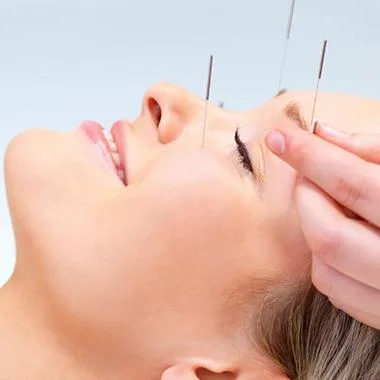
5. Yintang — “Hall of Impression”
Location: Midway between the eyebrows — the “third eye” point.
Why it’s used for anxiety: Yintang is an “extra” point (not on a specific meridian) that has been used for thousands of years to calm the mind. It corresponds anatomically to the area above the frontal sinus and is richly supplied with branches of the trigeminal nerve — stimulating it activates a potent relaxation response.
What it does:
- Produces an immediate calming effect
- Reduces frontal headaches caused by tension and anxiety
- Promotes mental clarity and focus
- Helps transition the body from “fight or flight” into “rest and digest”
What patients feel: A gentle pressure and warmth between the brows, followed by deep relaxation. Margo often uses Yintang as the first needle placed to help patients settle into the treatment.
Your Treatment Is Always Personalized
While these five points form the foundation of many anxiety treatments, Margo never uses a one-size-fits-all approach. Using Nakatani Electro-Meridian Imaging diagnostics and traditional pulse and tongue diagnosis, she identifies your specific anxiety pattern and selects a combination of points suited for your body.
Some patients may benefit from additional points for related symptoms — such as ST36 (Zusanli) for digestive anxiety, KI3 (Taixi) for fear and adrenal fatigue, or auricular (ear) points for ongoing stress management.
Try It Yourself: Acupressure Between Sessions
You can stimulate some of these points at home using acupressure (finger pressure) between your acupuncture sessions:
- Press HT7 (Shenmen) on your inner wrist for 1–2 minutes during moments of anxiety
- Press PC6 (Neiguan) on your inner forearm if you feel chest tightness or nausea
- Gently massage Yintang (between the eyebrows) in small circles for 30 seconds when you need to calm down
While acupressure won’t replace professional acupuncture treatment, it’s a useful self-care tool between sessions.
→ Ready to experience the difference? Book your free anxiety consultation at Margo’s Clinic in Toronto — call 416.556.1933.
→ Struggling with sleep too? Explore our insomnia acupuncture treatment — anxiety and sleep problems often go hand in hand.
This article is for educational purposes only. Always seek treatment from a qualified, registered acupuncturist.
Frequently Asked Questions
What acupuncture points does Margo use most often for anxiety?
Margo most often works with five points: HT7 (Shenmen), PC6 (Neiguan), GV20 (Baihui), LV3 (Taichong) and Yintang. She chooses the combination for each patient’s anxiety pattern. In TCM theory, and according to current neurological explanations, these points may help promote calm, ease tension and support relaxation.
Is acupuncture treatment for anxiety personalized?
Yes, always. Margo never uses a one-size-fits-all protocol. She combines Nakatani Electro-Meridian Imaging with traditional pulse and tongue diagnosis to identify your specific anxiety pattern, then selects the points that fit it. She sometimes adds points such as ST36, KI3 or ear (auricular) points for related symptoms.
Can I use acupressure at home between acupuncture sessions?
Yes. You can gently press or massage HT7, PC6 and Yintang for a minute or two whenever you feel anxious or notice tightness in your chest. Acupressure is a helpful self-care tool between visits, but it doesn’t replace professional acupuncture treatment.
How can I book a consultation at Margo’s Clinic in Toronto?
Call us at 416-556-1933 or book online for a free anxiety consultation at our downtown Toronto clinic. If poor sleep comes with your anxiety, ask about our insomnia acupuncture treatment as well.