
Quick answer
In Traditional Chinese Medicine (TCM), acupuncture works by restoring the smooth flow of Qi, the body’s vital energy, along a network of channels called meridians. When Qi is blocked, deficient or out of balance, TCM sees that as the root of pain, poor sleep, stress and other symptoms. Fine, sterile needles placed at specific acupuncture points on the meridians are used to clear blockages, strengthen weak areas and bring the body’s organ systems back into balance. At Margo’s Clinic in Toronto, Margaryta “Margo” Goncharenko, R. TCMP, R. Ac, maps your meridians with pulse and tongue diagnosis and Electro-Meridian Imaging before choosing points.
What Is Qi?
Qi (pronounced “chee”) is the TCM name for the vital energy that animates the body. It warms us, moves blood and fluids, protects us from outside illness and keeps every organ doing its job. When Qi flows freely and in the right amounts, the body is in balance and feels well. When its flow is disturbed, symptoms follow, often long before a lab test would show anything.
The Meridians: The Body’s Energy Channels
In TCM, Qi travels through a network of channels called meridians. There are twelve main meridians, each linked to an organ system (Lung, Large Intestine, Stomach, Spleen, Heart, Small Intestine, Bladder, Kidney, Pericardium, San Jiao, Gallbladder and Liver), plus the Ren and Du vessels that run along the front and back of the body. More than 360 classical acupuncture points sit along these pathways. Each point is a place where the Qi of a meridian can be reached and influenced.
Because the meridians connect the surface of the body to the internal organs, a point on the hand or foot can influence an area far away. That’s why Margo may treat a headache with points on the feet, or digestion with points below the knee.

When Qi Is Out of Balance
TCM describes three main ways the flow of Qi goes wrong:
- Stagnation (blockage): Qi gets stuck, like traffic backing up behind an accident. Stagnation is linked with pain, tension, irritability, headaches and PMS. In TCM, “where there is pain, there is no free flow.”
- Deficiency: there isn’t enough Qi in a meridian or organ system. Deficiency shows up as fatigue, weak digestion, poor sleep, low mood and getting sick easily.
- Excess and imbalance: too much activity in one system, or Yin and Yang out of proportion. It can show up as heat, restlessness, anxiety, insomnia or high stress.
Stress, poor sleep, diet, injury, emotions, weather and age can all disturb the flow of Qi. Over time a local blockage can affect the whole system.
How Acupuncture Restores the Flow of Qi
Acupuncture is used to bring the flow of Qi back to normal along the affected meridians:
- Clearing blockages: needling points along a stagnant meridian is used to get Qi and blood moving again, which TCM links with easing pain and tension.
- Strengthening weak meridians: tonifying points are used to build up deficient Qi in an organ system, supporting energy, digestion and recovery.
- Calming excess and rebalancing Yin and Yang: other points are used to settle overactive systems. This is a large part of how acupuncture is used for anxiety and insomnia.
- Treating the root, not just the branch: TCM separates the symptom (the “branch”) from the underlying pattern (the “root”). A treatment plan addresses both, so results can build and last.
Many patients feel the Qi respond during treatment as a dull ache, heaviness, warmth or a gentle spreading sensation around the needle. TCM calls this de qi, “the arrival of Qi”, and treats it as a sign that the point has been reached.
Modern research describes the same treatment in different terms. Acupuncture stimulates nerves, muscle and connective tissue, which may influence the body’s natural pain-relieving chemicals, circulation and the stress response. Margo uses the classical meridian framework to choose points, while keeping up with current research.
How Margo Finds Where Qi Is Blocked
- Pulse and tongue diagnosis: the classical TCM way of reading the state of each organ system and meridian.
- Electro-Meridian Imaging (Nakatani): a measurement of electrical conductance at key points on the meridians that gives Margo a picture of which meridians are under- or over-active. It’s included in the free consultation.
- Your history and symptoms: sleep, digestion, energy, emotions and pain patterns all point to particular meridians.
From this assessment Margo chooses the meridians and points for your treatment. She may combine acupuncture with other TCM therapies such as herbal medicine, moxibustion and dietary guidance to support the flow of Qi between visits.
What Restoring Qi Flow Is Used to Support
Because the meridians link every organ system, acupuncture is used for a wide range of concerns. Margo’s Clinic has dedicated treatment pages for the most common ones:
- Pain and back pain and migraines and headaches
- Anxiety and stress, low mood and depression and insomnia
- Weight loss, quitting smoking and body detox
- Sexual dysfunction and men’s and women’s health
Looking for a clinic? See Margo’s Clinic, acupuncture in Toronto, or browse all treatments.
What to Expect at Your First Acupuncture Visit
- Free consultation — We discuss your health concerns, medical history, and treatment goals at no charge
- TCM diagnosis — Margo uses pulse and tongue diagnosis plus an Electro-Meridian Imaging assessment to find which meridians are blocked, deficient or out of balance
- Your first treatment — Ultra-thin, sterile, disposable needles are placed at the acupuncture points chosen to restore the flow of Qi along those meridians. Most patients feel minimal discomfort — many describe a pleasant tingling or warmth
- Relaxation — You rest for 20-30 minutes with the needles in place. Many patients fall asleep during this time
- Treatment plan — Margo outlines your recommended treatment schedule and any complementary therapies

Frequently Asked Questions
What is Qi, and how does acupuncture affect it?
In Traditional Chinese Medicine, Qi is the vital energy that flows through the body along channels called meridians. When Qi is blocked, deficient or out of balance, symptoms such as pain, fatigue, poor sleep or anxiety can appear. Acupuncture places fine needles at specific points on the meridians to clear blockages, strengthen weak areas and restore a smooth, balanced flow of Qi.
What are meridians?
Meridians are the pathways that Qi travels through. TCM describes twelve main meridians, each connected to an organ system, plus the Ren and Du vessels. More than 360 classical acupuncture points lie along them, which is why a point on the hand or foot can influence an area far away.
What does it feel like when Qi moves during treatment?
Many patients feel a dull ache, heaviness, warmth or a gentle spreading sensation around the needle. TCM calls this de qi, the arrival of Qi, and treats it as a sign that the point has been reached. Most people find the treatment deeply relaxing.
Does acupuncture hurt?
Most patients are surprised at how little they feel. Acupuncture needles are about 25-50 times thinner than a hypodermic needle. You may feel a brief, mild sensation as the needle is inserted, followed by a pleasant feeling of heaviness or warmth. The treatment itself is deeply relaxing.
Is acupuncture covered by insurance in Ontario?
Yes. Acupuncture performed by a Registered Acupuncturist (R. Ac) is covered by most extended health insurance plans in Ontario. Margo is a Registered Traditional Chinese Medicine Practitioner and Registered Acupuncturist (R. TCMP, R. Ac) with the CTCMPAO, registration no. 1267. We provide receipts that you can submit directly to your insurance provider.
How many sessions will I need?
This depends on your condition, its severity, and how long you’ve had it. Acute conditions (recent injury, cold/flu) may improve in 2-4 sessions. Chronic conditions typically require 8-12 sessions. Margo discusses expected timelines during your free consultation.
Book Your Free Consultation
Find out which of your meridians need attention and how acupuncture may help your specific health concern. Call 416-556-1933 or book online. No obligation — just answers.
Related Treatments
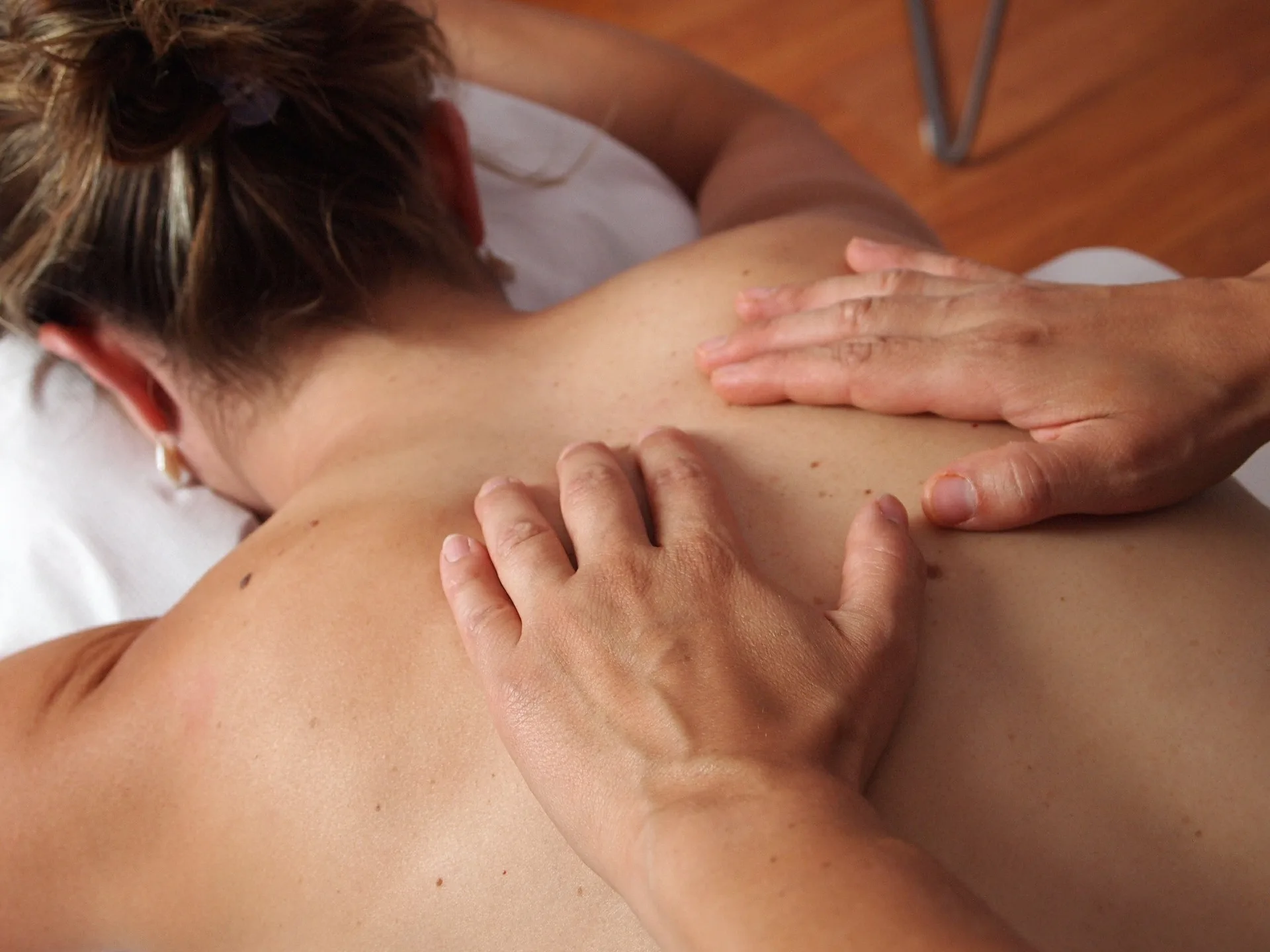
- Massage Therapy — By referral to trusted licensed massage therapists who work on the meridians or areas Margo specifies
- Electro-Meridian Diagnostics — Advanced diagnostic technology
- View All Treatments
Medical Disclaimer: The information on this page is for educational purposes only and is not a substitute for professional medical advice. Acupuncture should complement — not replace — conventional medical care. Always consult your healthcare provider about your specific health condition.
Book Your Free Consultation
Meet Margo at 248 Shuter St., Toronto, ON M5A 1W2, talk through your health goals and get a personalized treatment plan. No cost, no obligation.